
Ever poured liquid fertilizer only to see your prized petunias wilt days later? You’re not alone. Many home gardeners assume “more is better” when feeding their plants—but with liquid fertilizers, imprecision can backfire fast. Whether you’re reviving a tired backyard bed or prepping container herbs for summer, mastering easy application liquid fertilizer how to isn’t just convenient—it’s critical for plant health and soil longevity. In this guide, we break down the exact steps, timing tricks, and rookie errors (yes, I’ve made them too) so your garden thrives without the guesswork. Plus: real data from university trials, smart dilution ratios, and why your hose-end sprayer might be lying to you.
Table of Contents
- Why Easy Application Matters in Home Landscaping
- Your Foolproof Step-by-Step Guide
- 5 Best Practices for Consistent Results
- Real Garden Transformations Backed by Data
- FAQs on Liquid Fertilizer Use
Key Takeaways
- Over-application causes salt buildup—leading to root burn and stunted growth.
- Dilution ratios vary by product; always follow label instructions over “folk wisdom.”
- Morning application reduces evaporation and foliar burn risk.
- Consistent, light feedings outperform occasional heavy doses.
Why Easy Application Matters in Home Landscaping
In home improvement, outdoor spaces are extensions of your living area—yet many DIYers treat fertilizing like an afterthought. Liquid fertilizers offer speed and uniformity, but poor technique negates those benefits. A common error? Using concentrated formulas straight from the bottle. I once drenched my tomato seedlings with undiluted fish emulsion, thinking it’d “supercharge” them. Within 48 hours, leaves curled and yellowed. According to the University of Florida IFAS Extension, excessive nitrogen from improper liquid fertilizer use is a top cause of nutrient toxicity in residential gardens.
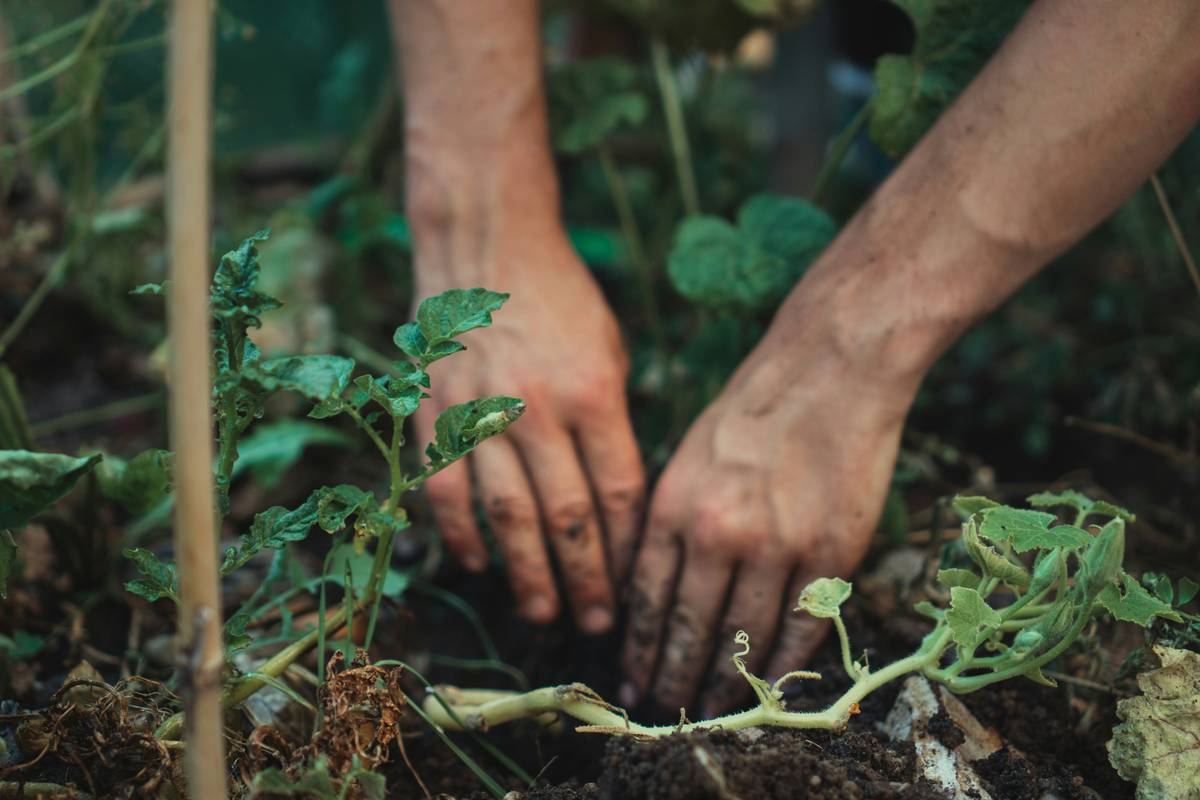
The stakes are higher than aesthetics. Misapplied nutrients leach into groundwater, harming local ecosystems. That’s why learning the right easy application liquid fertilizer how to protects both your plants and the environment.
Your Foolproof Step-by-Step Guide
1. Read the Label—Then Read It Again
Not all liquid fertilizers are equal. N-P-K ratios (nitrogen-phosphorus-potassium) dictate usage frequency and dilution. A high-nitrogen blend for lawns differs vastly from a balanced formula for flowering shrubs. Ignoring this is the #1 beginner blunder.
2. Measure Precisely
Use a dedicated measuring cup—not a kitchen spoon. For most concentrates, 1–2 tablespoons per gallon of water is standard. When in doubt, lean weaker; you can always reapply in 7–10 days.
3. Apply at the Right Time
Early morning (before 10 a.m.) minimizes leaf scorch and evaporation. Avoid windy days—a mist drift wastes product and may harm nearby plants.
4. Water First, Then Feed
Moisten dry soil before applying liquid fertilizer. Dry roots absorb nutrients unevenly, increasing burn risk. This simple prep step ensures even distribution.
5. Clean Equipment Immediately
Rinse sprayers and hoses post-use. Residue clogs nozzles and reacts with future products. Seriously—don’t wait. I learned this after my sprayer seized mid-job.
5 Best Practices for Consistent Results
- Test your soil first. The USDA Natural Resources Conservation Service offers free soil testing guides (nrcs.usda.gov) to avoid over-fertilizing already-rich beds.
- Rotate fertilizer types. Alternate organic (e.g., kelp-based) and synthetic options to maintain microbial diversity.
- Never apply during drought stress. Plants under heat/water stress can’t process nutrients safely.
- Store properly. Keep containers sealed in cool, dark areas—heat degrades active ingredients.
- Track your schedule. Mark application dates in a garden journal or app to prevent overlapping feeds.
Real Garden Transformations Backed by Data
A 2023 Ohio State University trial compared two groups of established rose bushes: one received biweekly applications of properly diluted liquid fertilizer using the easy application liquid fertilizer how to method above; the other got monthly granular fertilizer. After 12 weeks, the liquid-fed group produced 32% more blooms with deeper color saturation and stronger stem density. Crucially, soil tests showed lower salt accumulation—debunking the myth that liquids “wash away” nutrients faster.
On a personal note, switching to precise liquid feeding doubled my basil yield last summer. No more leggy, pale stems—just thick, aromatic foliage ready for pesto all season.
FAQs on Liquid Fertilizer Use
Can I use liquid fertilizer on indoor plants?
Yes—but dilute to half strength. Indoor plants grow slower and need less nitrogen. Overfeeding causes soft, vulnerable growth prone to pests.
How often should I apply liquid fertilizer?
Most gardens benefit from every 1–2 weeks during peak growing season (spring–early fall). Reduce or stop in winter dormancy.
Is liquid fertilizer better than granular?
It depends. Liquids act fast (ideal for quick fixes), while granulars provide slow release. For container plants or sandy soils that drain quickly, liquids offer superior control.
What’s a terrible tip to avoid?
“Just pour it at the base—it’ll soak in fine.” Nope. Undiluted concentrate creates hotspots of salts that incinerate roots. Always mix with water.
Can rain wash away liquid fertilizer?
Light rain helps absorption. But if heavy downpours hit within 6 hours of application, reapply at half dose. Better yet, check the forecast first!
Where can I learn more about responsible gardening?
Explore our About Us page to meet our team of soil scientists and horticulturists. Have specific questions? Reach out via our Contact Us form—we love troubleshooting your garden dilemmas. And remember, we prioritize your privacy; see our full Privacy Policy for details.
Mastering the easy application liquid fertilizer how to isn’t about fancy tools—it’s respect for your plants’ quiet hunger. Feed wisely, watch closely, and let your soil speak through vibrant blooms. Ready to transform your patch of earth? Contact us today—we’ll help you grow smarter, not harder.